Posts

Showing posts with the label Korean culture

Korean Pop Culture Leaves Another Mark on Global Music History

Image
  Korean Pop Culture Leaves Another Mark on Global Music History Korean pop culture has once again made a significant imprint on global music history. The original soundtrack (OST) “Golden” from the Netflix animated film K-Pop Demon Hunters has claimed the No. 1 spot on the U.S. Billboard Hot 100 singles chart. This achievement represents a pivotal moment in K-pop history and clearly illustrates how the boundaries of popular culture are expanding. It goes beyond the success of a single track—demonstrating how the power of cross-media content integration can translate into tangible results in the global marketplace. A “Virtual Girl Group” Conquers the Real-World Market Golden is performed by Huntrix, a fictional K-pop girl group featured in the film. However, the actual singers behind the characters are real-life Korean or Korean-descended artists: Lee Jae – Former SM Entertainment trainee, born in Seoul Ray Ami – Seoul-born singer-songwriter Audrey Nuna – Korean...

Hongik Ingan – The Root of Korea’s Spiritual Culture and Why K-Culture Resonates Globally

Image
  Hongik Ingan – The Root of Korea’s Spiritual Culture and Why K-Culture Resonates Globally Korea’s founding philosophy, Hongik Ingan (弘益人間) , literally means “to broadly benefit humankind.” This simple yet profound phrase embodies the fundamental value established during the founding of Gojoseon , Korea’s first kingdom. It is a philosophical declaration that aspires to a universal ideal, transcending individual interests to pursue the well-being of both the community and humanity as a whole. Far from being a mere historical slogan, Hongik Ingan continues to live on today as the guiding principle behind Korea’s educational philosophy, social values, and even the global success of K-culture. 1. Hongik Ingan – A Declaration of Universal Human Values When King Dangun Wanggeom founded Gojoseon, he set forth the principle of “broadly benefiting humankind” as the nation’s founding ideology. This philosophy emphasized the happiness and harmony of the entire human community rather t...

Korea’s Unique Age Culture: Why Do Koreans Ask Your Age?

Image
  Korea’s Unique Age Culture: Why Do Koreans Ask Your Age? One of the most common questions foreigners hear when they first arrive in Korea is: “How old are you?” At first, it may seem like a simple question born out of curiosity or small talk. However, this question carries a deeper cultural significance in Korean society, rooted in language, respect, and social structure. Korea’s Unique Age Culture: Why Do Koreans Ask Your Age? 1. In Korea, Age Defines Relationships In Korean culture, age is far more than just a number. It determines how people speak to each other, address one another, and even how they behave in social situations. The use of honorific or informal language is based on age difference. Titles like oppa (older brother), noona (older sister), hyung , and unni are assigned based on relative age. Traditional etiquette such as allowing the eldest to eat first is still commonly observed. Knowing someone’s age helps define the relationship and the ap...

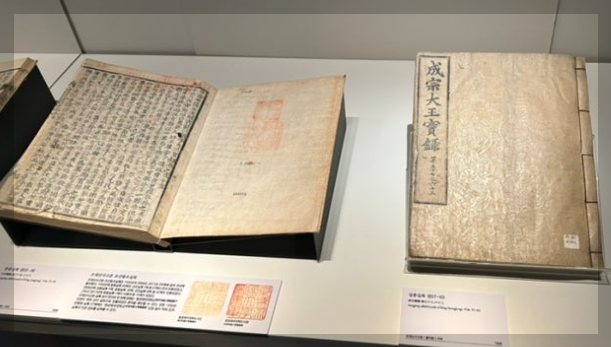
[The Annals of the Joseon Dynasty] Korea’s Greatest Legacy to the World, a UNESCO-Recognized Historical Record

Image
[The Annals of the Joseon Dynasty] Korea’s Greatest Legacy to the World, a UNESCO-Recognized Historical Record More Than Just a Chronicle The Annals of the Joseon Dynasty represent far more than a simple record of a ruling family. They are a pioneering masterpiece of civilization’s commitment to documentation—one rarely matched anywhere in world history. Spanning 472 years across 25 reigns, this vast archive meticulously chronicles political events, diplomacy, social life, culture, natural phenomena, and even the king’s words and deeds without omission. These volumes are not merely historical documents but embody a national philosophy dedicated to recording truth. The Annals stand as an invaluable legacy not only for Korea but for all humanity, illustrating how a society’s commitment to truth through records can shape the future. The Annals of the Joseon Dynasty – The Annals of King Seongjong, Korea Why the Annals Were Created: The Ethics of Record-Keeping and Governance Joseon’s gover...